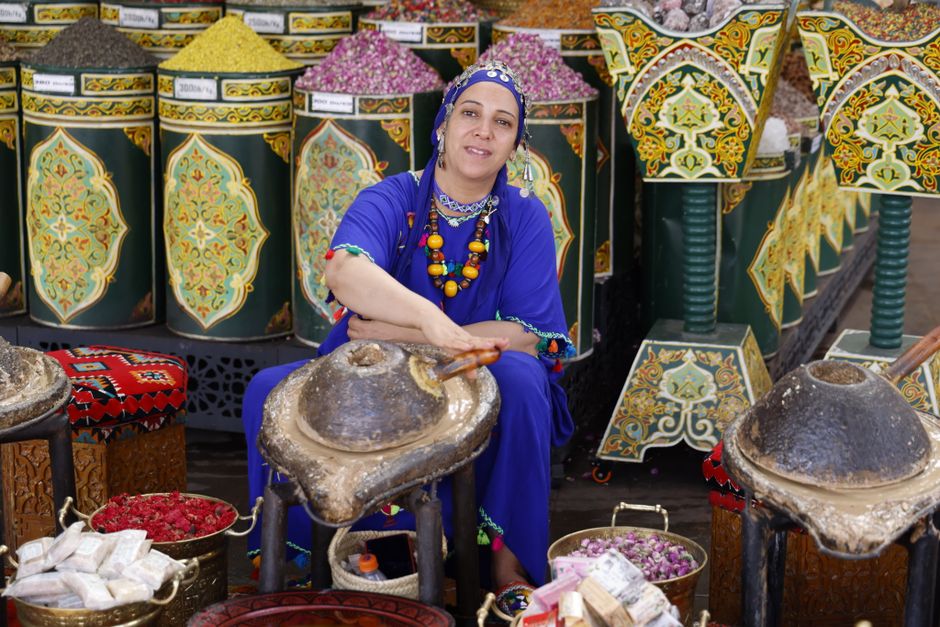
Empowering Communities: How Argan Cooperatives Transform Women's Lives in Morocco

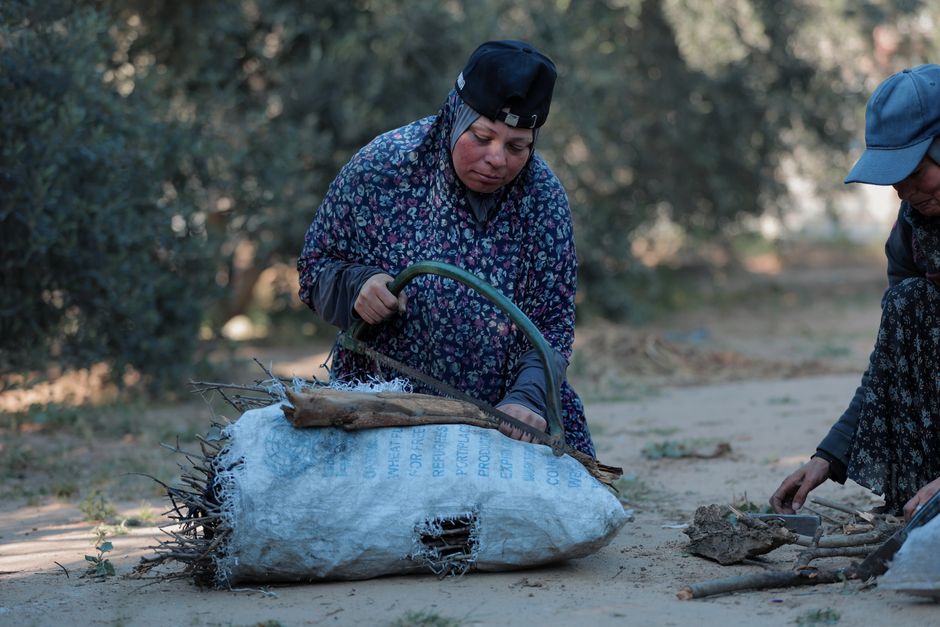
Women in argan cooperatives crack nuts by hand — a skill that has become a source of economic independence.
The argan oil industry has become one of Morocco's most powerful engines of female economic empowerment. Behind every bottle is a network of cooperatives where women earn independent income, gain literacy skills, and shape their own futures.
The Origins of the Cooperative Movement
Before the 1990s, argan oil was produced almost exclusively at the household level. Berber women in the Souss Valley made it for their own families, using techniques passed down through generations. There was no commercial market, no formal wages, and no recognition of the women's expertise. That began to change in the late 1990s when international demand for argan oil surged, driven by research published on its exceptional fatty acid composition and vitamin E content.
The first formal argan cooperatives were established between 1996 and 2000, often with support from international development organisations and the Moroccan government. These cooperatives pooled resources, standardised quality, and gave women a legal structure through which they could sell oil directly to buyers — bypassing middlemen who had previously captured most of the profit.
Economic Independence and Fair Wages
Membership in a cooperative gives women something that was historically rare in rural Morocco: a personal, regular income. Women are paid per kilogram of kernels produced or per litre of oil pressed, and cooperative governance structures ensure that profits are distributed among members rather than absorbed by external owners. Studies by the Moroccan Ministry of Agriculture and international NGOs have found that women in argan cooperatives earn between 2 and 5 times more than they would from traditional agricultural day labour.
Beyond the direct wages, cooperatives often provide members with health insurance, pension contributions, and paid leave — benefits that are almost unheard of in informal rural employment. Some cooperatives have established daycare centres on-site so that mothers can work without disruption, and others offer literacy classes that teach women to read and write for the first time.
Education and the Next Generation
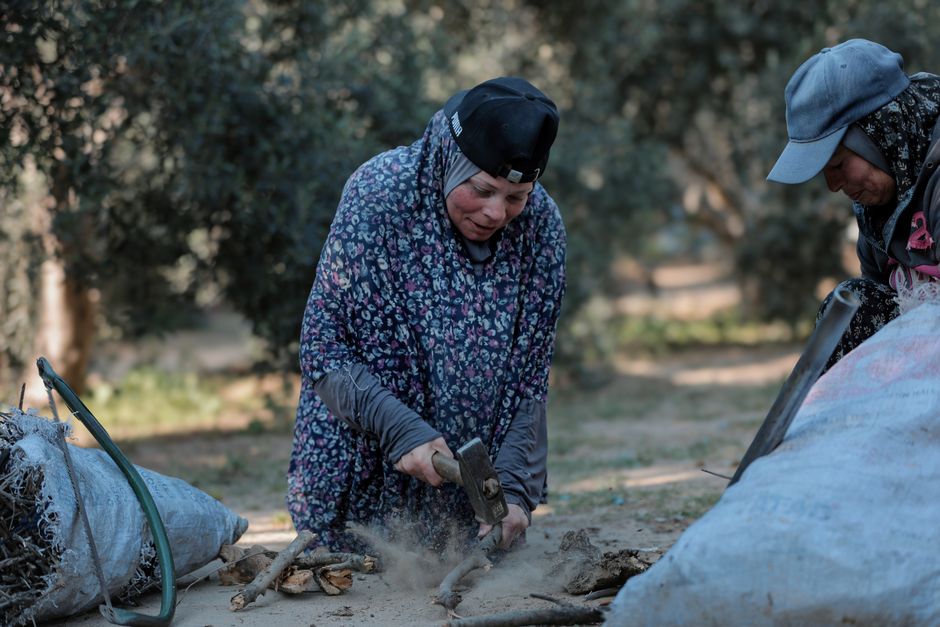
One of the most far-reaching impacts of the cooperative movement is on education. When mothers earn a stable income, they are significantly more likely to keep their daughters in school. Cooperatives frequently reinvest a portion of their earnings into community projects — building schoolrooms, funding scholarships, and organising transport for children in remote areas. The result is a generational shift: girls who would once have left school by age 12 are now completing secondary education and, in increasing numbers, attending university.
Several cooperatives have also launched training programmes that teach women business management, quality control, and digital literacy. These programmes transform cooperative members from manual labourers into decision-makers who can negotiate contracts, manage budgets, and represent their organisations at international trade fairs.
BioArgan's Partnership with Cooperatives
BioArgan sources argan kernels through direct partnerships with cooperatives in the Essaouira and Agadir regions. We pay above the local market rate and commit to long-term purchase agreements that give cooperatives financial stability. Every cooperative we work with is visited and audited regularly to confirm that working conditions, wage distribution, and hygiene standards meet our requirements.
By choosing BioArgan as a private label or wholesale partner, beauty brands indirectly support this ecosystem of female empowerment. The cooperatives receive consistent demand, women earn fair wages, and the argan forest is maintained through sustainable harvesting — a model that benefits everyone in the chain.