Nila: The Moroccan Blue Powder That Brightened Skin for Centuries

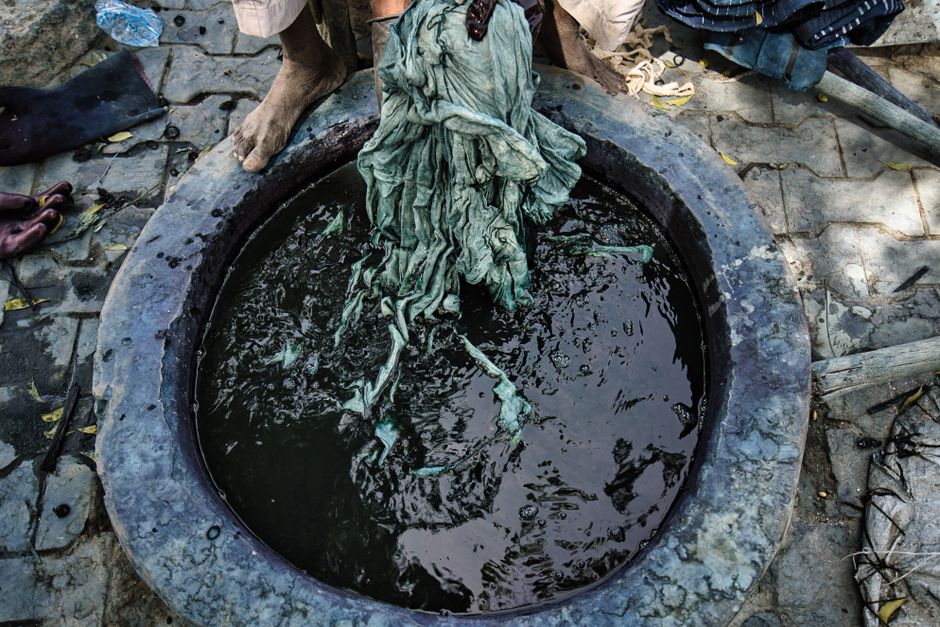
Nila's deep blue colour comes from natural indigo — the same pigment used in traditional textile dyeing across West and North Africa.
For generations, Moroccan women have used a mysterious blue powder called nila to brighten and even their skin tone. Once a closely guarded hammam secret, nila is now finding its way into modern cosmetic formulations — and BioArgan is helping brands harness it safely and effectively.
What Is Nila and Where Does It Come From?
Nila is a deep blue powder that has been used in Moroccan beauty rituals for centuries, particularly in the southern Saharan regions where it was historically traded along trans-Saharan caravan routes. The powder is derived from natural indigo, sourced from plants of the Indigofera genus that grow in West Africa. Through a process of fermentation, oxidation, and drying, the indigo plants yield a concentrated blue pigment that is ground into the fine powder known as nila.
In Moroccan tradition, nila was mixed with water or rose water and applied to the skin after hammam exfoliation. Women believed it brightened the complexion, evened skin tone, and provided a cooling sensation. The powder leaves a temporary blue tint on the skin that washes away with water, but the brightening effect — attributed to the indigo's interaction with the skin's surface — was considered cumulative with regular use.
From Hammam Ritual to Modern Formulation
Traditional nila was sold in small cones or balls in Moroccan souks, often with little standardisation. The purity and concentration varied widely, and some market products were adulterated with synthetic dyes. This inconsistency made it difficult for cosmetic brands to work with nila safely and reliably — until recently.
BioArgan has developed a standardised nila extraction process that produces a consistent, cosmetic-grade ingredient suitable for modern formulations. Our nila is tested for heavy metals, microbial contamination, and pigment concentration, ensuring that it meets international cosmetic safety standards. We supply nila as both a raw powder for brands that want to formulate their own products and as a pre-formulated liquid concentrate for private label lines.

How Nila Works and Who It Benefits
Nila's skin-brightening effect is thought to come from two mechanisms. First, the natural indigo pigment creates an optical brightening effect — the blue counteracts yellow and brown undertones in the skin, creating the perception of a more even, luminous complexion. Second, indigo compounds have mild anti-inflammatory properties that may help reduce the redness and discolouration associated with post-acne marks and sun damage.
Nila-based products are particularly popular in North and West African markets, where even, bright skin tone is a culturally valued beauty attribute. For brands targeting these markets — or for Western brands seeking to introduce novel natural ingredients — nila offers a unique story: a centuries-old beauty secret, now backed by modern quality control. BioArgan's liquid black soap with nila is one of our most requested private label products, combining the cleansing power of beldi soap with the brightening effect of nila in a single, ready-to-market formulation.